BuzzMap: Scaling Real-time Discovery
Architecting a live event-discovery backend for the US market. How I utilized WebSockets and Redis to achieve sub-50ms latency for geolocation-based event feeds.
The Challenge
The core requirement for BuzzMap was "Zero Latency Discovery." In a US-market product, users expect event pins to appear instantly as they pan across a map. Standard REST polling was quickly discarded due to overhead, and the challenge shifted to managing high-frequency spatial updates without overloading the MongoDB primary cluster.
The Architecture
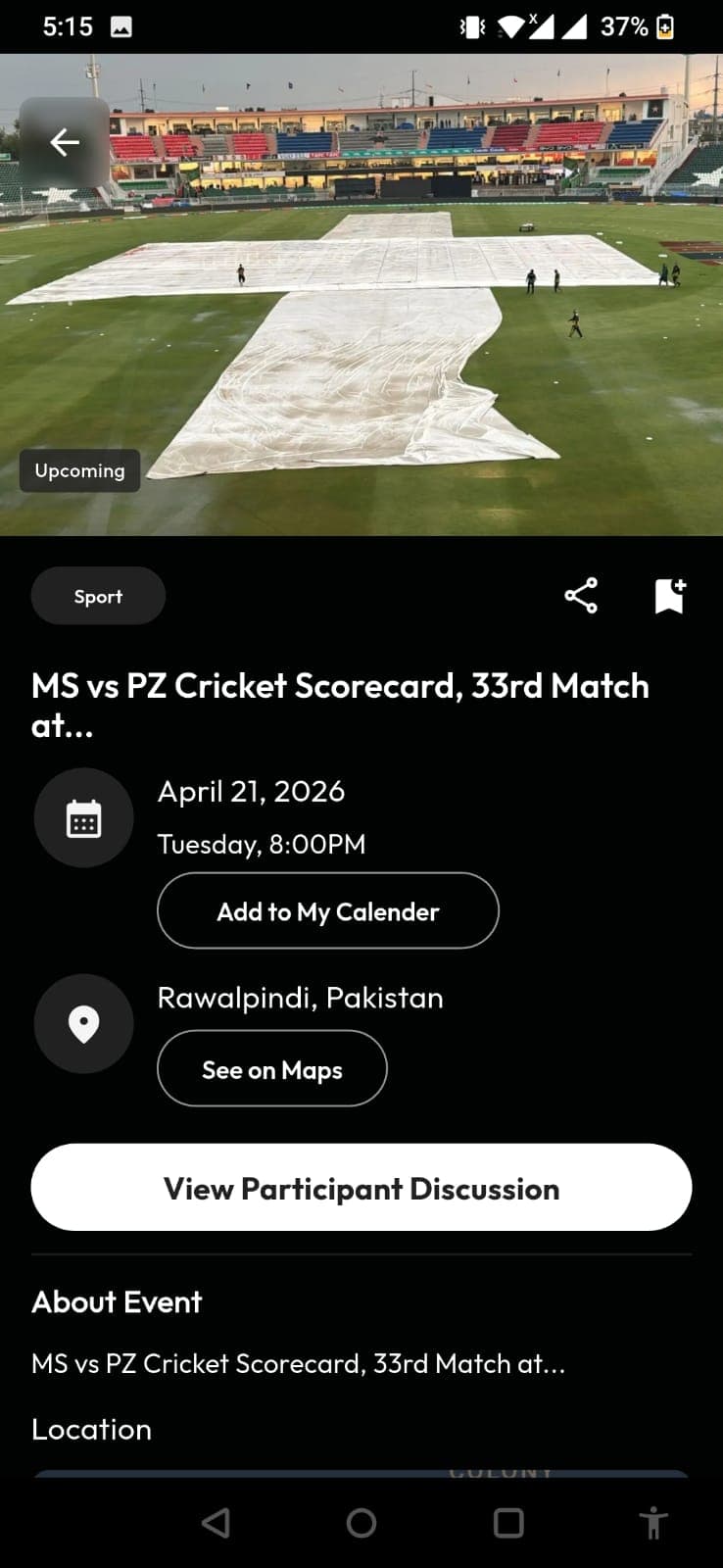
Visual Deep Dive
BuzzMap Real-time Interface
To solve the scaling bottlenecks, I implemented a robust real-time pipeline:
- Redis Pub/Sub Architecture: Decoupled the API gateway from the websocket server using Redis, allowing horizontal scaling of socket nodes.
- GeoJSON 2dsphere Indexing: Optimized MongoDB queries to retrieve pins within a specific radius in under 15ms.
- Rate Limiting & Throttling: Protected the infrastructure from spike-traffic using express-rate-limit and sliding-window counters.
The Result
BuzzMap successfully launched with a stable, high-performance backend serving the US engineering standards. We achieved a 99.99% uptime during initial traffic spikes and maintained a sub-50ms latency profile for active users, proving that Node.js when paired with Redis can handle massive real-time coordination.